Course Content
Chapter 1: Hospitality Industry
Learning Objectives Define hospitality management and its core principles Identify the main sectors within the hospitality industry Understand the nature of hospitality as a service Explain the role of a manager in hospitality Recognize career paths and the importance of practical employment
0/12
Chapter 2: Definitions of Tourism
Learning Objectives Define tourism and its basic components Describe the evolution of tourism from ancient times to today Differentiate between different types of tourism Explain the economic and social importance of tourism Analyze the positive and negative impacts of tourism
0/7
Chapter 3: Meaning of Visitors, Tourists and Excursionists
Learning Objectives Differentiate between a visitor, a tourist, and an excursionist Understand different types of tourists and travelers Explain the primary motivations for why people travel Classify travelers based on their purpose and behavior
0/7
Chapter 4: Lodging – Meeting Guest Needs
Learning Objectives Trace the historical evolution of lodging from ancient times to modern hotels Identify and describe different types of hotel properties Explain how classification systems help guests choose accommodations Understand how lodging in Nepal has evolved to meet diverse guest needs
0/5
Chapter 5: Guest Room
Learning Objectives Identify and describe the different types of hotel rooms Explain the standard placement of guest supplies and amenities in a room Understand the various statuses a guest room can have during daily operations Recognize how room types and amenities cater to different guest needs
0/6
Chapter 6: Hotel and Lodging Operations
Learning Objectives Identify the major functional departments in a hotel Explain the roles and responsibilities of each operational department Understand how different departments work together to serve guests Recognize the structure of hotel operations in a Nepali context
0/5
Protected: Travel and Tourism
0

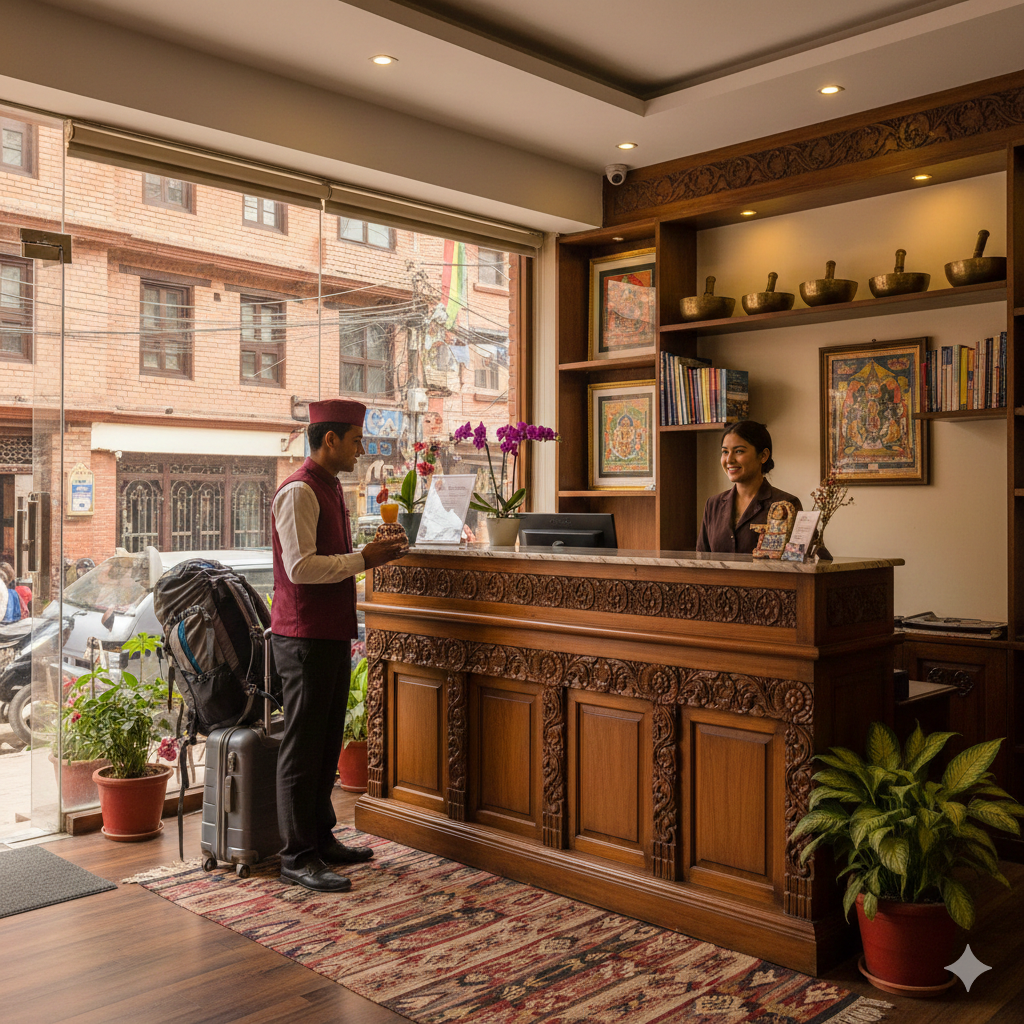
The hospitality industry is all about making people feel welcome, comfortable, and valued. It is a people-focused field that includes hotels, restaurants, travel, and tourism. In Nepal, hospitality is deeply rooted in the culture, where the saying “Atithi Devo Bhava” (Guest is God) guides how we treat visitors. This chapter will introduce you to the world of hospitality management and help you understand why it is an exciting and rewarding career choice, especially in a tourism-rich country like Nepal.


What is Hospitality Management


Hospitality management is the professional practice of overseeing the daily operations in businesses like hotels, restaurants, and resorts. It involves leading teams, ensuring guest satisfaction, managing budgets, and maintaining quality standards. It’s not just about running a business; it’s about creating memorable experiences for guests.

  • It combines business skills with a passion for serving people.

  • It focuses on creating a safe, clean, and welcoming environment.

  • It requires problem-solving and quick thinking to handle guest requests.

  • In Nepal, this could mean managing a small tea house on a trekking route or a luxury hotel in Kathmandu.